Keeping your Basic Life Support certification current is critical for healthcare professionals. Your BLS card represents your ability to save lives in emergencies. Understanding when and how to renew ensures you stay compliant and ready.
What is the Difference Between BLS and BLS Renewal?
BLS certification and BLS renewal serve the same purpose but differ in scope and duration.
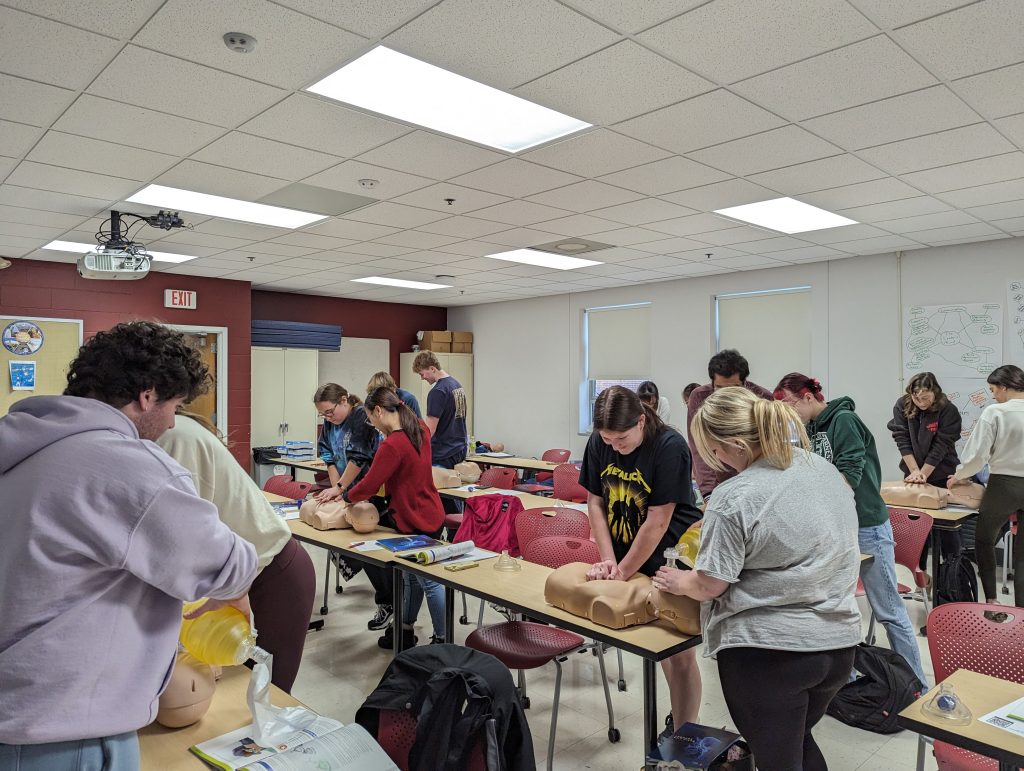
Initial BLS Certification provides comprehensive training for first-time learners. The course covers all the fundamentals of life support. You learn CPR techniques for adults, children, and infants. Training includes proper use of oxygen masks and AED devices. The initial course typically takes 4-5 hours to complete. You receive hands-on practice with rescue scenarios.
BLS Renewal is designed for certified professionals refreshing their skills. The renewal course assumes you have foundational knowledge. It focuses on updated protocols and guideline changes. Renewal classes are shorter, usually 2-3 hours. You demonstrate proficiency through skills assessment. The American Heart Association updates these guidelines regularly based on new research.
The key difference lies in time and content depth. Initial certification builds skills from scratch. Renewal reinforces existing knowledge and introduces updates. Both require passing written and practical examinations. Both result in a two-year certification card.
Does BLS Need to be Renewed Every Year?
No, BLS certification does not require annual renewal.
Call Us Now
Get the Best CPR Class in Kansas City Today!
The American Heart Association sets BLS certification validity at two years from your completion date. This two-year period reflects important research findings. Studies show that life-saving skills begin declining within 12 months after training. The biennial renewal ensures your competencies remain sharp.
Your certification card displays the exact expiration date. Digital eCards provide the same information online. The two-year standard applies across all AHA training centers.
Some employers implement stricter policies. Healthcare facilities may require annual skills demonstrations. These internal requirements supplement but don’t replace certification renewal. Always verify your employer’s specific requirements.
The two-year cycle serves multiple purposes:
- Evidence-based practice: Medical protocols evolve with new research
- Skill maintenance: Regular practice prevents capability deterioration
- Guideline updates: AHA released new 2025 Guidelines in October
- Professional standards: Ensures consistent quality across healthcare settings
Research indicates that CPR skills degrade significantly without practice. The renewal cycle balances skill retention with practical training logistics. This timeframe provides optimal competency maintenance while accommodating busy schedules.
What Are the Steps for BLS Renewal?
Renewing your BLS certification involves straightforward steps when choosing oxygen masks for patient care scenarios and completing required training.
Step 1: Check Your Expiration Date
Locate your current certification card. Review the expiration date printed on the front. Set calendar reminders 90 days before expiration. This advance notice prevents last-minute scheduling issues.
You can verify certification status through the AHA website. Digital eCards are accessible through your training center portal. Contact your original training provider if needed.
Step 2: Choose Your Renewal Format
The American Heart Association offers flexible renewal options:
In-Person Classroom Renewal
- Led by certified AHA instructors
- Includes hands-on practice sessions
- Duration: 2-3 hours typically
- Immediate certification upon passing
- Best for those preferring traditional learning
Blended Learning (HeartCode BLS)
- Complete online coursework at your pace
- Schedule a shorter hands-on skills session
- The online portion covers theory and protocols
- In-person verification demonstrates competency
- Ideal for busy healthcare professionals
Skills Session Only
- For those who completed online training
- Demonstrate CPR on training manikins
- Practice oxygen mask application techniques
- Receive real-time feedback on performance
- Schedule flexible appointment times
Step 3: Register for Your Course
Contact an AHA-authorized training center in your area. CPR Kansas City offers convenient BLS renewal classes. Choose a date that fits your schedule. Evening and weekend options accommodate shift workers.
Some centers offer group discounts for teams. Confirm course fees and required materials. Verify the training center’s AHA authorization status.
Step 4: Complete the Training
Attend your scheduled renewal course. Bring your current certification card if still valid. Review updated guidelines during the session. Practice high-quality chest compressions. Demonstrate proper ventilation techniques using oxygen masks.
The 2025 AHA Guidelines introduced several updates:
- Enhanced compression depth specifications
- Updated oxygen delivery protocols
- Refined team coordination strategies
- Improved pediatric resuscitation techniques
Step 5: Pass Assessments
Complete the written examination with a minimum passing score. Demonstrate skills competency through practical testing. Show proficiency in:
- Adult, child, and infant CPR
- Two-rescuer scenarios
- Proper oxygen mask selection and application
- AED operation
- Relief from choking
Step 6: Receive Your New Certification
Upon successful completion, receive your eCard immediately. The digital certificate is valid for employment verification. Download and save copies for your records. Your new certification is valid for another two years.
Submit your updated certification to:
- Your employer’s HR department
- Hospital credentialing office
- Professional licensing boards
- Liability insurance providers
What Happens When BLS Expires?
Letting your BLS certification lapse creates serious professional consequences.
Employment Complications
Most healthcare employers require current BLS as an employment condition. Expired certification can result in:
- Suspension from patient care duties
- Temporary work restrictions
- Delayed promotions or transfers
- Potential termination for non-compliance
- Failed credentialing audits
Hospitals conduct regular certification verification. Administrative reviews flag expired credentials. This creates HR complications and scheduling issues.
Compliance Violations
Healthcare organizations face strict regulatory standards. Staff working with expired certifications create compliance risks. Facilities may face:
- Accreditation penalties
- Failed regulatory audits
- Institutional sanctions
- Legal liability exposure
Your professional reputation suffers when credentials lapse. Licensing boards may question your professional diligence.
Skill Deterioration
Research confirms that life-saving skills decline without practice. Expired certification indicates outdated training. You miss critical guideline updates. Confidence diminishes during actual emergencies.
The 2025 AHA Guidelines contain important protocol changes. Practicing with outdated techniques compromises patient outcomes. Current certification ensures alignment with evidence-based practices.
Grace Period Limitations
The AHA allows a 30-day grace period after expiration. During this window, you can take renewal courses. After 30 days, you must complete the full initial certification. This requires:
- Longer course duration (4-5 hours)
- Higher course fees
- More extensive testing
- Complete skills retraining
Avoid these complications by renewing before expiration.
Financial Impact
Taking the full course costs significantly more than renewal. You lose work hours during longer training. Some employers charge fees for credential lapses. Insurance providers may require additional documentation.
Best Practices for BLS Renewal
Maintain continuous certification with these strategies:
Set Multiple Reminders
- Mark your calendar 90 days before expiration
- Set smartphone alerts at 60 and 30 days
- Use digital credential tracking applications
- Coordinate with other professional renewals
Renew Early
- Schedule renewal 60-90 days before expiration
- Avoid last-minute class availability issues
- Allow time for scheduling flexibility
- New certification extends from the completion date
Keep Documentation Organized
- Save digital copies of certifications
- Maintain printed backups
- Store eCard login credentials securely
- Track all professional credentials centrally
Practice Between Renewals
- Attend workplace emergency drills
- Review oxygen mask protocols quarterly
- Practice compression techniques regularly
- Stay current with AHA guideline publications
Verify Employer Requirements
- Confirm specific certification requirements
- Check for internal skills demonstration policies
- Ask about cost reimbursement programs
- Understand documentation submission processes
Take Action Now: Maintain Your BLS Certification
Don’t wait until your certification expires. Staying current protects your career and your patients. You maintain readiness for life-saving emergencies when choosing oxygen masks and applying critical care skills.
Ready to renew your BLS certification? CPR Kansas City makes renewal stress-free and convenient. As an American Heart Association training site, we offer:
- Flexible scheduling for busy healthcare professionals
- Hands-on training with experienced instructors
- Same-day certification upon completion
- Evening and weekend BLS Class in Kansas City options
- Group rates for medical teams
Our courses include BLS for Healthcare Providers, ACLS, PALS, and CPR and First Aid certifications. All classes emphasize practical skills in comfortable, supportive environments.
Register for the AHA CPR course in Kansas City today. Visit CPR Kansas City or call to schedule your renewal class. Keep your skills current and your credentials active.
Frequently Asked Questions About BLS Renewal
Can I renew my BLS certification online?
The American Heart Association requires hands-on skills verification for BLS renewal. You can complete the theory portion online through HeartCode BLS. However, you must attend an in-person skills session to demonstrate competency. This blended learning approach offers flexibility while ensuring proper technique. The skills session verifies your ability to perform high-quality CPR, properly select and apply oxygen masks, and use AED devices correctly. Most healthcare employers do not accept online-only courses for BLS certification.
How much does BLS renewal cost?
BLS renewal costs typically range from $80 to $90 at AHA-authorized training centers. Prices vary by location and course format. Full classroom renewals may cost slightly more than blended learning options. Some employers offer tuition reimbursement for required certifications. Group rates are often available for teams renewing together. CPR Kansas City provides competitive pricing for all renewal courses. Contact training centers directly for current pricing and available discounts. Remember that renewal costs less than taking the full initial course if your certification expires.
What if my BLS certification expired more than 30 days ago?
If your BLS certification expired more than 30 days ago, you cannot take a renewal course. You must complete the full BLS for Healthcare Providers initial certification course instead. This course takes longer (4-5 hours versus 2-3 hours for renewal) and covers all material comprehensively. The cost is also higher for initial certification. To avoid this situation, always renew within the 30-day grace period after expiration. Better yet, schedule your renewal 60-90 days before your expiration date. This ensures uninterrupted certification and saves both time and money.


